
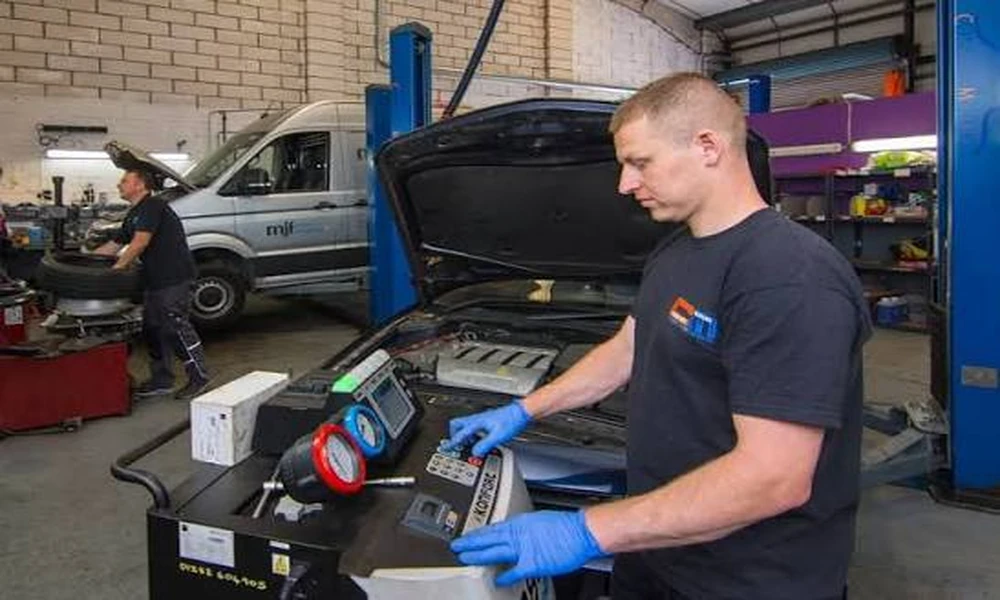
A comfortable vehicle cabin depends entirely on the smooth operation of the air conditioning system. The air conditioning condenser performs the central heat exchange function for the entire cooling assembly. When this essential front component suffers severe structural harm, interior vents blow unpleasantly warm air. Regular evaluation by a dedicated auto care facility keeps every passenger refreshingly cool during summer. The team at Diesel Performance Specialist knows exactly how road hazards degrade modern heat exchangers over time.
The Vital Heat Exchange Process Inside the Vehicle
The condenser functions like a radiator that releases thermal energy from hot pressurized refrigerant gas. High-pressure vapor flows directly from the mechanical compressor into the intricate metallic condenser tubes. Air rushes across external fins while the vehicle cruises along open paved roads and highways. This consistent airflow converts hot gaseous chemical fluid into high-pressure chilled liquid for cabin distribution. The dedicated specialists at Diesel Performance Specialist inspect these delicate aluminum tubes for sudden loss of pressure.
Physical Road Debris and Immediate Fin Blockage
The typical condenser sits directly behind the open front grille of modern passenger cars. This low exterior position exposes fragile aluminum louvers to flying stones, pebbles, and road grit. Hard impacts from highway gravel quickly bend thin cooling fins and crush vital passage channels. Sometimes, thick mud, wet fallen leaves, and dirty road grime pack tightly between narrow passages. The blocked airflow prevents heat from escaping into the passing atmosphere during normal daily commutes. You will notice warm air blowing inside the passenger cabin during slow neighborhood driving. A visit to a certified Diesel AC Repair in Rocklin, CA service quickly clears dense debris from blocked fins.
Dangerous Refrigerant Leaks Disrupting Total Operating Pressure
Internal mechanical cooling circuits require precise chemical fluid volume to cool ambient interior airflow properly. Vibrations from rough asphalt can cause small stress fractures along delicate condenser tube weld seams. Flying highway gravel creates microscopic punctures that allow invisible refrigerant gas to escape into the open air. The overall system pressure drops rapidly once the chemical gas escapes through small hairline fractures. Certified technicians at Diesel Performance Specialist identify hidden micro-cracks using specialized ultraviolet diagnostic equipment and bright fluorescent dye.
Conclusion
Ignoring weak airflow and warm cabin air inevitably leads to comprehensive climate control system collapse. Technicians carefully remove the front vehicle bumper cover to reveal the hidden damaged heat core. Mechanics flush the entire chemical circuit to eliminate burnt lubricant and foreign metal particulate contamination. A brand-new replacement unit restores correct system pressure and restores rapid passenger cabin refrigeration. Proper mechanical maintenance ensures consistent airflow and protects expensive engine parts from unexpected seasonal overheating. Prompt attention preserves overall vehicle value and maintains supreme passenger comfort through harsh summer weather conditions.