
Car troubles are frustrating, especially when you don’t know what’s true and what’s shop jargon. Everyone has an opinion, and they share it as if it were a rule. People waste money, replace components prematurely, and consent to Auto Repair in Salt Lake City, UT that their automobiles do not need as a result. Move past the distractions, knowing the facts about vehicle misconceptions will help you drive safer, save money, and reduce stress.
Debunking the Top Auto Repair Myths
Upon closer examination, not all auto care advice is accurate. Many typical advice seem nice, but they are based on ancient approaches rather than the newest vehicle research. Today, we will revisit four vehicle repair myths to discover their truths.
- Premium Gasoline Is Always Better for Your Car
Premium gasoline seems like a spa day for your engine. Putting more high-octane petrol in your tank than your owner’s handbook recommends wastes money. Cars that require high-octane gasoline burn it differently. It is different, not better. Unleaded fuel is suitable in most automobiles. Premium petrol will not clean the engine, accelerate it or make a car with no need of the petrol go faster or have more gas mileage.
- Aftermarket Parts Are Inferior to OEM Parts
When consumers hear “aftermarket,” they assume “cheap knockoff.” This scares them. However, numerous aftermarket businesses produce components that match or exceed originals. The same firm that manufactures your automobile also produces OEM components, but they are not the only safe or dependable option. Aftermarket parts often come from the same vendors or are superior OEM designs.
- Changing Oil Every 3,000 Miles Is Essential
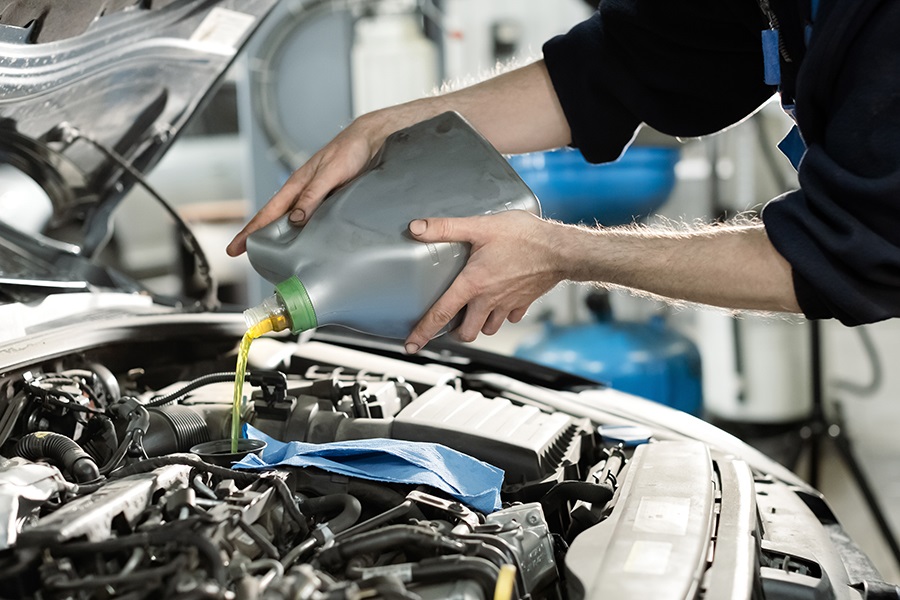
For decades, people have said that oil turns into sludge after around 3,000 miles. This is not true for contemporary engines or synthetic oils, though. Today, going 5,000 to 7,500 miles or longer without oil changes is safe. It is more of a habit than a requirement to follow the 3,000-mile rule. What’s the best thing you can do? Consult your manual. The engine manufacturer understands it best; thus, their maintenance recommendations are more effective than the old ones.
- All Mechanics Are the Same
It would be like claiming all professors or physicians are the same to suppose all vehicle stores give the same service. Some mechanics do not care about consumers or their job. Some may expedite repairs or propose unnecessary ones. Certifications, client evaluations, and willingness to explain work matter.
Conclusion
Simple vehicle repair myths may cost more than money, they can confuse you, lead to incorrect decisions, and cause stress. Knowing the facts can transform your auto care like some automobiles need specific gas, but not most, used components are not necessarily bad, etc. Knowing more will help you drive better and with fewer shocks. Connect with Little Garage Auto Repair Shop for best in class services.