
Introduction
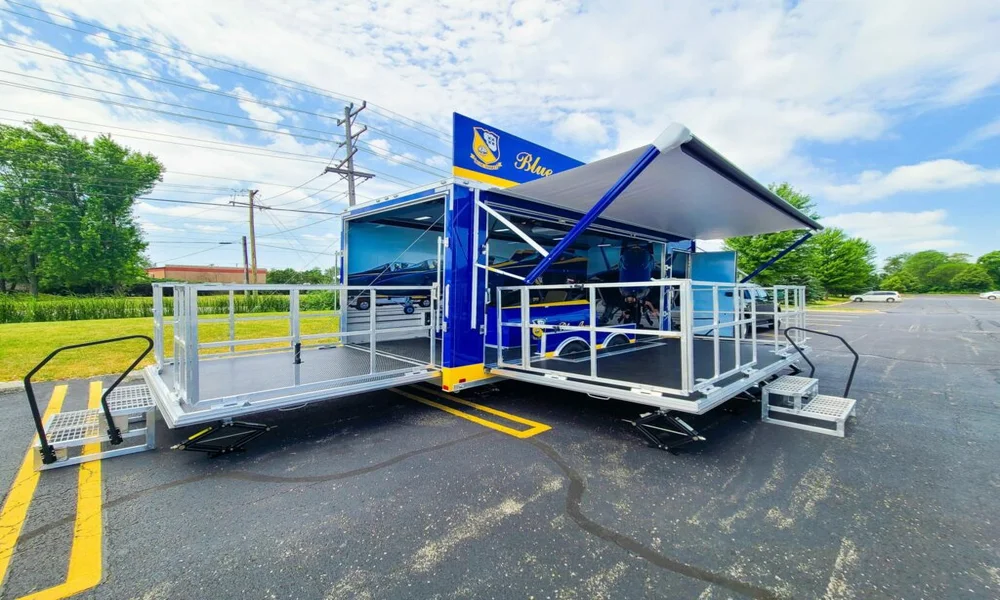
The kind of vehicle that is well-suited for parties and other social gatherings is a mobile stage truck. These trucks can be equipped with dance floors, display screens, seating configurations, and audio/video systems. They can provide many services, from food and beverages to product promotion and testing, among other things. This article explains how they are useful for live events.
By eliminating the complex logistics traditionally required to build event infrastructure from scratch, deploying mobile stage trucks allows organizers to set up professional-grade venues in a fraction of the time. These all-in-one vehicles come fully equipped with integrated sound, lighting, and performance space, turning open parks, city streets, or parking lots into immediate entertainment hubs. This rapid setup capability enables event hosts to bring dynamic live shows, brand activations, and community gatherings directly to diverse audiences with minimal hassle.
How are they great for live events?
- Possibilities for Advertising: Trucks are a message that the audience will remember. To make it stand out and be unique, a company may utilize personalized wrappings, symbols, and accessories related to its brand. This increases the likelihood of a successful and memorable event.
- Mobility: Mobile stage trucks may be transported to various locations, making it simpler to interact with other individuals and take part in various activities. Because of this mobility, businesses can successfully concentrate on different locations without having a single point of presence. Event planners won’t have to worry about renting or moving extra equipment because of the integrated technology in the truck.
- Customer Participation: The mobility of trucks can enhance communication with customers. These trucks can be used for real practice, live entertainment, or even customized services, which increases the truck’s public value.
- Leaving a memory: People will also remember the popularity of music trucks and mobile movie theaters, which have allowed people to occasionally attend live performances in places with limited entertainment options.
Challenges
- Rules and Permits: Operating a mobile stage truck needs knowledge of and attention to many municipal regulations and licenses. It is important to remember that different places have different standards and laws regarding things like parking spots, company licenses, and requirements for safety and health.
- Operations and Maintenance: Administrative aspects of truck management include the technical state of the vehicle, the availability of resources, and the vehicle’s capacity for various events are all operational aspects of truck management. To perform well, it’s also critical to pay regular attention and carry out proper preparation, evaluation, and maintenance.
- Seasons and climate: Even trucks can be affected by some conditions, which can have an impact on an event’s performance. Rain, intense heat, or severe cold may all affect outdoor activities. So it’s important to plan and make sure the truck is able to handle it.
- Starting Investment: One drawback of a mobile stage truck is that it may be expensive to customize and furnish. This is because of the fact that companies must make a sustained investment and define objectives that they hope to achieve economically in the long run to start and maintain this business.
Conclusion
An exciting and promising method of delivering experiences is through mobile stage trucks. The characteristics mentioned above make them useful for connecting with the audience through cutting-edge technology since companies and organizations may benefit from their adaptability, versatility, and capacity to create distinctive customer interactions. The truck industry is always evolving, and mobile events will benefit from many more creative concepts.